Author: Kelsey Reed
July 7, 2015

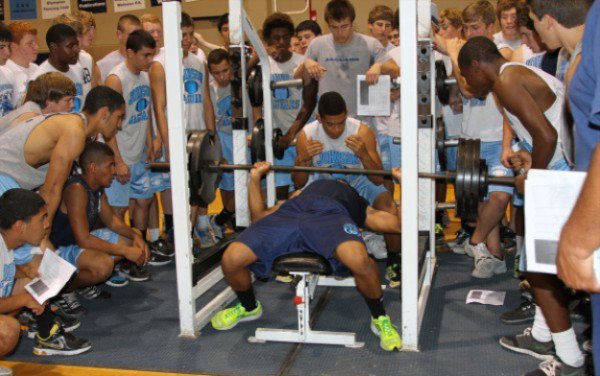
Walk into most high school (or college) weight rooms during the just about any sport team’s training session and a plethora of sounds attacks your ears. They typically include, but are not limited to:
Ah, the sounds of a Burn Out.
For those of you who don’t know what a Burn Out is, allow me to explain. We’ll use a pretty typical example: the bench press. The bar is loaded with five ten pound plates (give or take a plate) on each side. The athlete bangs out as many reps as possible with that weight until failure. Then, a plate is stripped off each side and the reps-unto-failure is repeated. This goes on until the athlete is struggling, shaking, and gasping for breath as he pries the unloaded bar off of his chest in an attempt at one more rep.
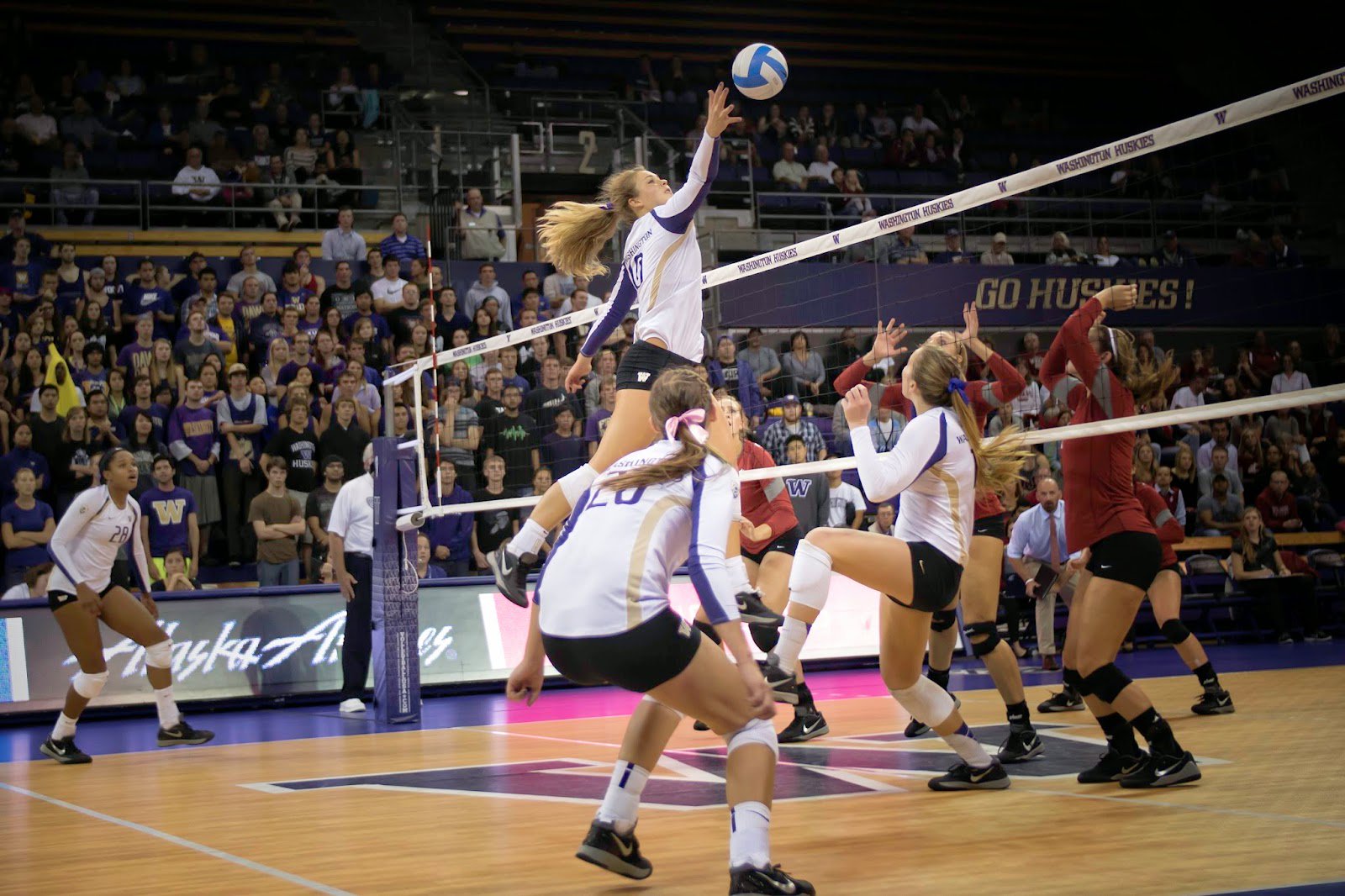
For another example- one that might not be considered an official Burn Out- let’s take a volleyball team’s conditioning practice. The ladies are told to perform “suicides” for multiple bouts. Then, because their legs weren’t already fatigued from those and practice, walking lunges up and down the court. Knees are falling into valgus (inwards) with ACL’s straining to keep the knee joints intact; hips are wobbling back and forth and sacroilliac joints (the middle of the lower back) are screaming because of it (the girls are usually so fatigued by this point that their stabilizing muscles have all but conked out and now the ligaments are holding everything together). At the end they all collapse in a sweaty heap near the water bottles.
Logically, does this sound like a good idea? Before you decide, here are some objective points to think about:

Practice doesn’t make perfect, it makes permanent.

It’s imperative the inexperienced lifters (such as every high school athlete. I don’t care how long they’ve been “lifting,” they don’t qualify as “experienced” if they haven’t even been alive longer than my Chuck Taylors) learn and practice safe and proper biomechanics for lifts, especially compound lifts such as the bench press, squat, and deadlift. They won’t be able to safely handle heavier loads (which is, by the way how one develops strength) because at some point in the future, something is going to give and it ain’t gonna be that barbell. Teaching kids to bang out reps willy nilly is setting them up for a long (or short) life of frustration and injuries in the weight room.

There are more reasons, but for now, swish these around in your brain and let them marinate a bit…
Now, back to the original question: does this seem like a good idea to practice with young, inexperienced, competitive athletes, male or female? (who, to be quite frank, need to be slowed down and taught proper form).
If we’re focused on strength, training sessions should include:
By managing to load and volume or each work out, the coaches can help their players recover (thus grow stronger and faster) as well as boost their confidence by setting them up for success instead of failure.


Unite your friends, family
and classmates, and
organize an event!

Advertisement
Advertisement